
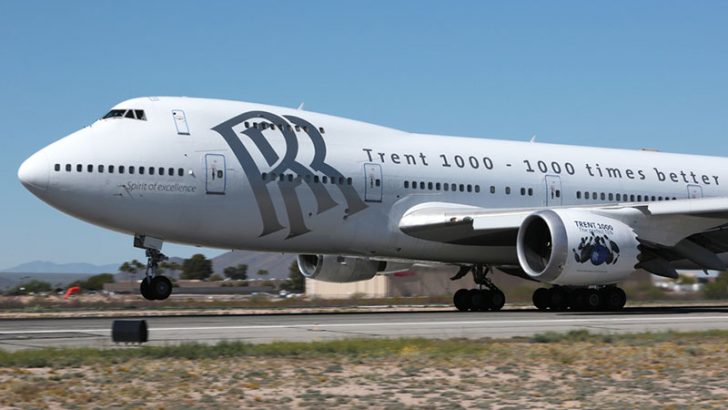
Microsoft and Rolls Royce have announced that they are to connect Rolls Royce engines to the Microsoft Azure IoT and Cortana Intelligence Suites. The goal is to further improve the depth and granularity of data that Rolls Royce gathers on engine and component use.
Engine maintenance and fuel efficiency are major costs for all airlines. Part of the service offering that Rolls Royce provides for customers is its TotalCare services. This is focused on how to reduce the costs of running Rolls Royce engines while enabling customers to extract maximum value over an engine lifetime.
Gathering the data from a wide variety of engines enables Rolls Royce to detect any potential risk from failing components and give customer proactive service notifications. The additional intelligence and trend analysis provided by Microsoft Azure IoT and Cortana Intelligence Suites will enhance the analysis of that data. By changing a component before it fails, Rolls Royce helps to limit the collateral damage caused by catastrophic engine failure. It will also improve service teams and regulators to decide on how long some components can be allowed to stay in place before they are changed reducing engine downtime and service costs.
Another saving will be to monitor engine use in order to identify fuel efficient savings. This anonymised data will enable airlines to adjust pilot training and information by looking at the most fuel efficient routes, ways of take-off and landing and even altitude. Even with the current historic low price of oil, fuel is still the biggest part of most airlines costs.
According to Tom Palmer, senior vice president, Services, Civil Aerospace, at Rolls-Royce “Our customers are looking for ways to leverage the digital landscape to increase efficiency and improve their operations. By working with Microsoft we can really transform our digital services, supporting customers right across engine-related aircraft operations to make a real difference to performance.”
Conclusion
Anything that keeps aircraft flying and reduces fuel costs will be welcomed by airlines. This is already an industry that gathers a very large amount of data around each flight and spends significant sums analysing it. The fact that Microsoft and Rolls Royce believe that there are more insights that can be gained from the data will surprise many.